Gantt Charts in Project Management: Pros, Cons, and Modern Alternatives
Few tools have been as widely recognized in project management as the Gantt chart. Since its invention in the early 1900s, this simple bar-based timeline has been used to plan, track, and visualize projects of all kinds — from construction to marketing campaigns.
But in today’s fast-moving business environment, is the Gantt chart still the best option? Or are there more flexible, tech-driven tools that fit modern workflows better?
At UnifiedLogix, we believe the right system depends on your organization’s structure, goals, and the complexity of your projects. Here’s a breakdown of the strengths and weaknesses of Gantt charts — and some strategic alternatives worth exploring.
The Pros of Using Gantt Charts
1. Clear Visual Timeline
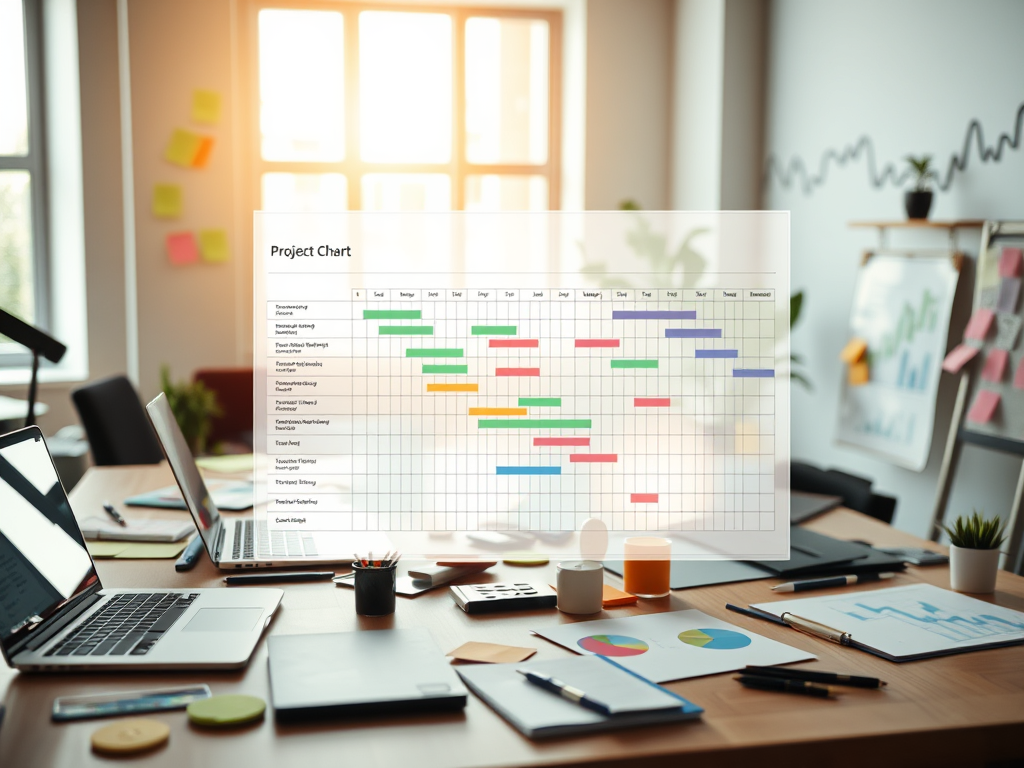
A Gantt chart shows the entire project schedule at a glance — start dates, end dates, milestones, and task dependencies. It’s ideal for quickly communicating timelines to teams and stakeholders.
2. Improved Accountability
When each task is assigned to an owner and visually connected to deadlines, accountability becomes easier to manage. Everyone can see what’s next and who’s responsible.
3. Dependency Tracking
Gantt charts help identify how delays in one task affect others. This makes them particularly effective for projects with many interrelated steps.
4. Progress Monitoring
By updating completion percentages or color-coding tasks, project managers can track performance and identify roadblocks before they derail schedules.
The Cons of Gantt Charts
1. Complexity in Large Projects
As projects grow, Gantt charts can become cluttered and hard to read. A single change in timing can throw off multiple dependencies, making updates time-consuming.
2. Limited Collaboration Features
Traditional Gantt tools focus on scheduling, not communication. They rarely capture real-time discussions, file sharing, or agile updates that modern teams rely on.
3. Static, Not Adaptive
Gantt charts assume a linear path — but in reality, projects evolve. For adaptive or agile environments, a static Gantt often feels restrictive and outdated.
4. Difficult to Maintain
Keeping a Gantt chart up-to-date manually is tedious. Without automated integrations or dedicated software, the chart can quickly fall behind actual progress.
Alternatives to Gantt Charts
While Gantt charts still serve a purpose, there are modern tools and frameworks that better support agile, data-driven project management:
1. Kanban Boards
Kanban systems (popularized by tools like Trello or Jira) visualize work in columns such as To Do, In Progress, and Done. They’re great for continuous workflows and adaptable teams.
Best for: Marketing, operations, and administrative teams needing flexibility and transparency.
2. Project Dashboards
Dashboards aggregate key metrics — timelines, budgets, KPIs — into one live view. They offer real-time updates and can integrate directly with your existing tools (CRM, analytics, etc.).
Best for: Executives or managers who want a data-driven, high-level view of performance without micromanaging tasks.
3. Agile Sprints & Burndown Charts
For teams that work iteratively, sprint planning and burndown charts visualize progress over shorter cycles. They’re dynamic, adaptive, and keep momentum high.
Best for: Product development, research, and innovation projects that evolve as they progress.
4. Process Mapping Tools
Flowcharts or process maps visualize how information and actions move through a system — excellent for improving efficiency and identifying bottlenecks.
Best for: Operations and administration teams focused on streamlining internal processes.
The UnifiedLogix Takeaway
Gantt charts still hold value — especially for projects with defined timelines and dependencies. But as businesses adopt more agile and data-integrated systems, relying solely on a Gantt chart may limit adaptability.
Modern project management should be unified — blending visualization, communication, and analytics to deliver clarity and control. The key isn’t choosing one tool, but creating a system that aligns with your team’s logic and goals.
Final Thought
At UnifiedLogix, we help organizations build smarter operational frameworks — integrating traditional planning tools like Gantt charts with modern analytics, automation, and collaboration systems.
Because the future of project management isn’t just about charts — it’s about clarity, connection, and continuous improvement.
About the Author
Alyssa Wendrick Owner at UnifiedLogix
Alyssa has over 7 years of experience in project management and operational strategy, during which time she has honed her skills in effectively leading teams and driving projects to successful completion. Her writings delve into innovative methods for enhancing workflows and productivity, often sharing practical tips and insights gleaned from her hands-on experience in diverse industries. By focusing on optimizing processes and fostering collaboration, Alyssa empowers others to achieve their goals and maximize their operational efficiency, contributing to a more streamlined work environment.


 1. Clear Visual Timeline
 1. Complexity in Large Projects


Leave a Reply